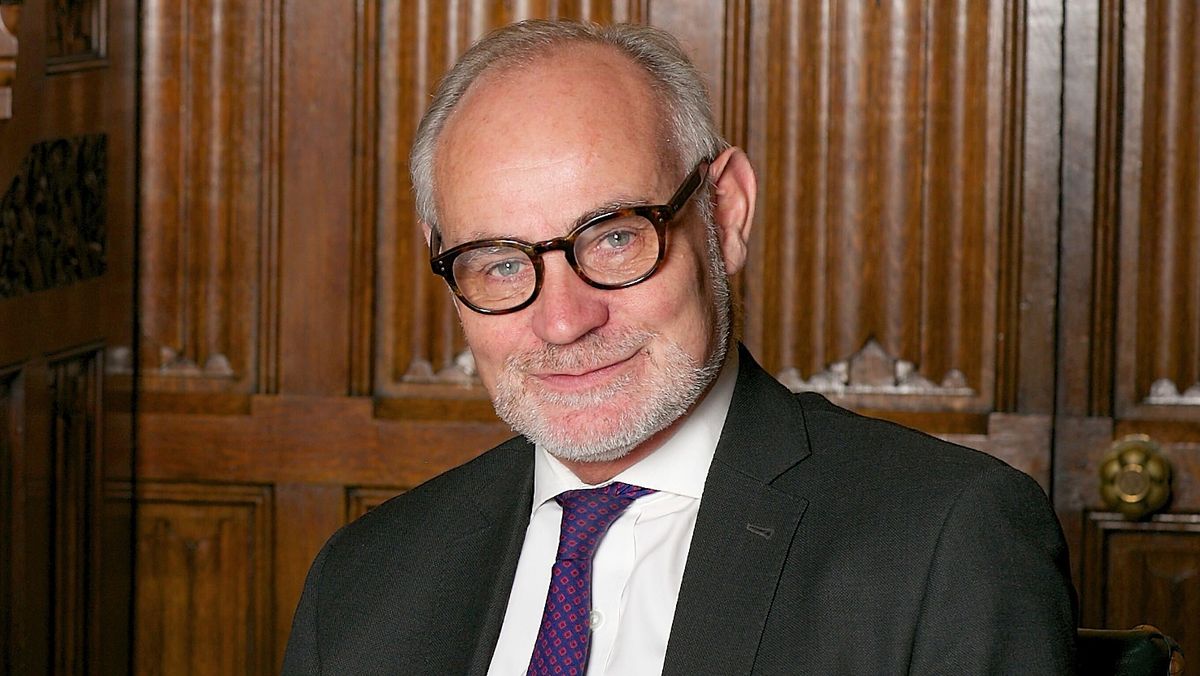
Crispin Blunt: Former Tory MP Faces Drug Charges, Court Date Set
The political landscape has been rocked by the recent announcement that Crispin Blunt, a former Conservative Member of Parliament, has been formally charged with drug offences. This development marks a significant turn for a figure who served in the House of Commons for over 25 years, prompting widespread discussion about accountability, the legal system, and the conduct expected of public servants. The Crown Prosecution Service (CPS) confirmed these charges on Wednesday, setting the stage for ex-mp Blunt charged to appear in court on March 25.
For many, the news of a seasoned politician facing such allegations underscores the rigorous standards to which public figures are held, even after stepping down from their roles. This article delves into the specifics of the charges, the background leading to this prosecution, the legal implications, and the broader context within which this high-profile case unfolds.
The Charges: Deconstructing the Offences Against Crispin Blunt
The formal charges brought against Crispin Blunt, 65, are serious and carry significant legal weight. Malcolm McHaffie, Head of the CPS Special Crime Division, announced that Blunt faces four distinct drug offences. These include:
- One count of possessing a controlled drug of Class A
- Three counts of possessing a controlled drug of Class B
Understanding the implications of these classifications is crucial. In the United Kingdom, controlled drugs are categorized into three classes – A, B, and C – based on their perceived harm. Class A drugs are considered the most dangerous and carry the harshest penalties, while Class B and C drugs entail lesser, though still significant, sanctions.
Class A Drugs: This category typically includes substances like heroin, cocaine, crack cocaine, ecstasy (MDMA), LSD, and magic mushrooms. Possession of Class A drugs can lead to a maximum sentence of seven years in prison, an unlimited fine, or both. Supply or production can result in a life sentence.
Class B Drugs: This class generally encompasses cannabis, amphetamines (speed), barbiturates, codeine, and ketamine. For possession of Class B drugs, the maximum penalty is five years in prison, an unlimited fine, or both. Supply or production can lead to 14 years in prison.
The fact that ex-mp Blunt charged includes both Class A and Class B offences indicates a multi-faceted investigation and potentially a range of substances involved. This distinction is vital for appreciating the gravity of the legal situation he now finds himself in. For more details on the specific charges, you can refer to related reporting: Former MP Crispin Blunt Charged with Class A & B Drugs.
Background to the Prosecution: A Police Visit and Political Tenure
The events leading to Crispin Blunt's charges originated from a police visit to his home in October 2023. While the specifics of this initial visit have not been fully disclosed, authorities stated that it was "in relation to a separate matter." It was during this visit that the alleged drug offences came to light, prompting a subsequent investigation that culminated in the charges announced by the CPS.
Blunt's political career is extensive and distinguished. He represented the Reigate constituency in Surrey as a Conservative Member of Parliament for over 25 years, first elected in 1997. During his tenure, he held various positions, including Parliamentary Under-Secretary of State at the Ministry of Justice from 2010 to 2012. He also served as Chair of the Foreign Affairs Select Committee, a highly influential role within Parliament, from 2015 to 2017. Known for his independent streak and often outspoken views, he was a prominent figure within the Conservative Party, even if at times an unconventional one.
At the time of the police visit in October 2023, Blunt had already announced his decision to stand down as an MP at the next general election, which is now scheduled for July 2024. This decision marked the end of a long and impactful career in public service. The timing of these charges, following his announcement to leave Parliament, adds another layer of complexity to the narrative surrounding the ex-mp Blunt charged case.
Legal Process and What to Expect on March 25
With the court date set for March 25, the legal process for Crispin Blunt will formally commence. His appearance will likely be at a Magistrates' Court, where the charges will be formally read out. At this stage, he will have the opportunity to enter a plea – guilty or not guilty. Depending on the plea and the complexity of the case, the proceedings could remain in the Magistrates' Court or be transferred to a Crown Court for a trial by jury, especially given the Class A drug charge and the high-profile nature of the defendant.
The justice system operates on the principle of innocent until proven guilty, and Blunt will be afforded all due process. The CPS, having decided to charge, believes there is a realistic prospect of conviction and that it is in the public interest to prosecute. However, the defence will have the opportunity to present its case, challenge evidence, and argue on Blunt's behalf. Given his public profile, this case is expected to draw significant media attention and public scrutiny.
The potential outcomes vary widely. If found guilty, sentencing would take into account the severity of the offences, Blunt's previous good character (though this can be mitigated by the nature of the crime for public figures), and any mitigating circumstances. Conversely, if he is acquitted, or the charges are dropped, his name would be cleared, though the reputational damage from the accusations themselves may linger. The journey from charge to resolution is often lengthy and arduous. Further details on the process for such offences can be found here: Ex-Conservative Lawmaker Crispin Blunt Charged With Drug Offences.
The Broader Conversation: Ethics, Public Trust, and Drug Policy
The charges against Crispin Blunt inevitably open up broader conversations about several critical issues. Firstly, they highlight the ethical standards expected of those in public life. While he had announced his departure from Parliament, the actions under scrutiny occurred while he was still a serving MP, or at least very recently after. The public often holds politicians to a higher moral and legal standard, and any perceived deviation from these standards can erode trust in democratic institutions.
Secondly, this case reignites discussions about drug policy in the UK. With a former lawmaker facing charges related to controlled substances, it puts the spotlight on the effectiveness and fairness of current drug laws. Critics of existing policy often point to the societal costs of prohibition, while proponents emphasize the public health and safety concerns. High-profile cases like this can often galvanize public opinion and push for re-evaluation of long-standing legislation.
Practical Insight: Understanding the societal impact of such cases is key. When public figures are involved in legal controversies, it can lead to increased public scrutiny of the relevant laws and the justice system itself. It serves as a reminder that the law applies to everyone, regardless of status, and that the principles of justice and accountability are paramount.
Finally, the case touches upon the personal struggles individuals may face, irrespective of their professional standing. While the focus is rightly on the legal process, it also serves as a stark reminder of the widespread nature of drug use and the challenges associated with it across all segments of society.
Conclusion: Awaiting Justice and Reflecting on Public Service
The news that ex-mp Blunt charged with drug offences has undeniably cast a shadow over his long career in public service. As Crispin Blunt prepares for his court appearance on March 25, the focus will remain squarely on the legal proceedings and the outcome they will bring. This case is not merely about an individual but also serves as a potent reminder of the accountability inherent in public life, the intricacies of the legal system, and the ongoing societal debates surrounding drug policy. The unfolding events will undoubtedly contribute to the public discourse on ethics, justice, and the expectations placed upon those who serve the nation.