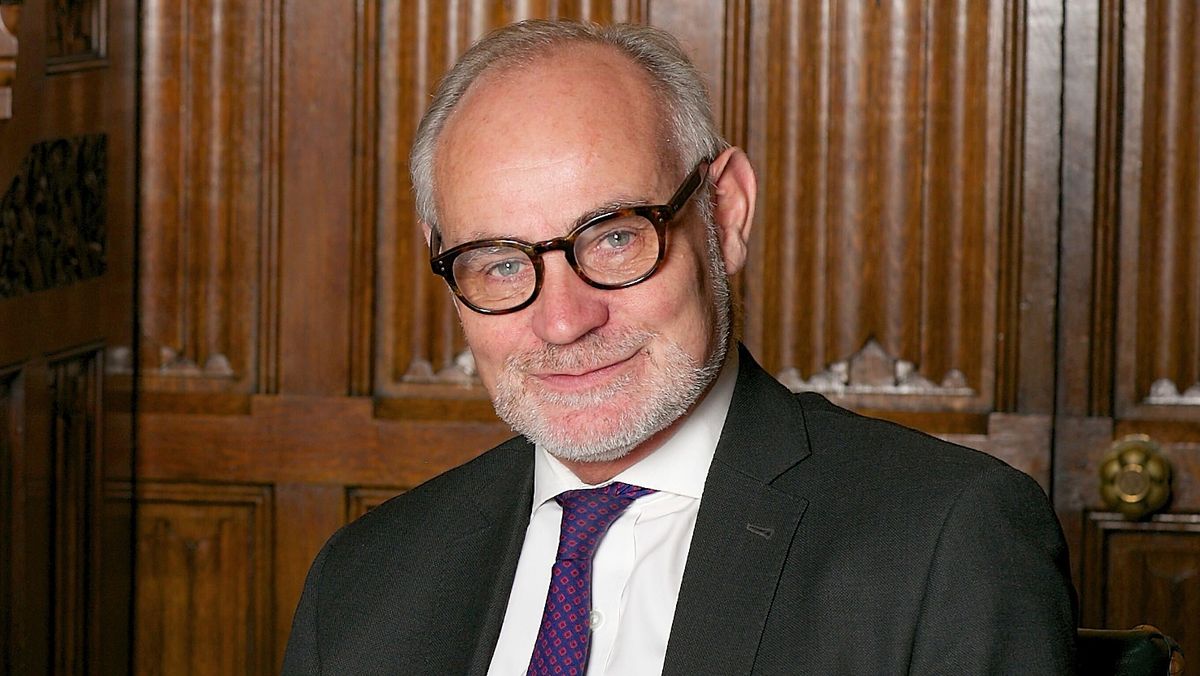
Former MP Crispin Blunt Charged with Class A & B Drugs
The political landscape has been stirred by recent news regarding Crispin Blunt, the former long-serving Conservative Member of Parliament. Prosecutors in the United Kingdom have officially announced that ex-Conservative lawmaker Crispin Blunt has been charged with drug offences, a development that brings a high-profile figure into the spotlight of the nation's justice system. The charges, stemming from an incident in October 2023, include serious allegations of possessing both Class A and Class B controlled substances, marking a significant and unexpected turn in the public life of a man who served in Westminster for over two and a half decades.
Crispin Blunt, aged 65, is set to appear in court on March 25, where he will face these accusations. This situation underscores the principle that no individual, regardless of their past standing or public office, is exempt from the law. The detailed nature of the charges, articulated by the Crown Prosecution Service (CPS), has prompted widespread discussion about the implications for public figures and the meticulous process of the British legal system. As the date for his court appearance draws nearer, public interest remains high in understanding the specifics of the charges and the potential ramifications for the former MP.
The Specific Charges Unveiled: Allegations of Class A and B Drug Possession
The Crown Prosecution Service, through Malcolm McHaffie, Head of the CPS Special Crime Division, has formally outlined the charges against Crispin Blunt. These include one count of possessing a controlled drug of Class A and three separate counts of possessing a controlled drug of Class B. This announcement provides a clear picture of the allegations and sets the stage for the upcoming legal proceedings.
- Class A Drug Possession: This is generally considered the most serious category of drug offense in the UK. Class A drugs typically include substances like heroin, cocaine, ecstasy (MDMA), and LSD. Possession of these drugs carries the most severe penalties, reflecting the perceived higher level of harm associated with them.
- Class B Drug Possession: The three additional charges relate to Class B drugs. This category includes substances such as cannabis, amphetamines, ketamine, and mephedrone. While still serious, offenses involving Class B drugs typically carry lesser penalties than those for Class A substances, though they can still result in significant legal consequences.
The decision to prosecute follows a police visit to Blunt’s home in October 2023. At the time, officers were reportedly responding to a "separate matter," which subsequently led to the discovery of the alleged drug offenses. This chain of events highlights how seemingly unrelated inquiries can sometimes uncover further legal issues, underscoring the comprehensive nature of police investigations. The CPS's role is to determine whether there is sufficient evidence for a realistic prospect of conviction and if prosecution is in the public interest, a threshold they clearly believe has been met in this case.
From Westminster to the Magistrates' Court: Crispin Blunt's Political Career and Future
Crispin Blunt's journey from a prominent figure in British politics to facing criminal charges is a stark reminder of the unpredictable nature of public life. For over 25 years, Blunt served as a Conservative Member of Parliament, representing his constituency with a career marked by various roles and contributions in the House of Commons. He announced his intention to stand down at the July 2024 general election, signaling the end of his long political tenure. However, these recent charges have dramatically altered the narrative surrounding his departure from public office.
His parliamentary career, spanning more than a quarter-century, saw him engage in numerous debates, serve on influential committees, and contribute to legislative processes. The gravity of the current charges cannot be understated, as they not only impact his personal life but also cast a shadow over his public legacy. For more detailed information on his upcoming court appearance and the initial charges, readers can refer to this related article: Crispin Blunt: Former Tory MP Faces Drug Charges, Court Date Set.
The upcoming court date on March 25 will be a pivotal moment. It is at this appearance that the formal legal process will commence, and Mr. Blunt will have the opportunity to enter a plea. Regardless of the outcome, the fact that an
Understanding Drug Classifications and the UK Legal Framework
To fully grasp the implications of the charges against Crispin Blunt, it's essential to understand the UK's drug classification system and the legal framework that governs it. The Misuse of Drugs Act 1971 categorizes controlled substances into Class A, B, and C, primarily based on their perceived potential for harm. This classification directly influences the severity of penalties for various offenses, including possession.
What are Class A Drugs?
Class A drugs are considered the most dangerous and harmful. They include:
- Examples: Cocaine (including crack), heroin, ecstasy (MDMA), LSD, magic mushrooms, crystal meth (methamphetamine), and fentanyl.
- Maximum Penalties for Possession: Up to 7 years in prison, an unlimited fine, or both.
The penalties reflect the government's stance on the severe health risks, addiction potential, and societal impact associated with these substances. Even possession for personal use can lead to significant imprisonment, highlighting the strict approach taken by UK law enforcement and the judiciary.
What are Class B Drugs?
Class B drugs are deemed less harmful than Class A but still pose significant risks. They include:
- Examples: Cannabis, amphetamines (speed), ketamine, mephedrone, and synthetic cannabinoids.
- Maximum Penalties for Possession: Up to 5 years in prison, an unlimited fine, or both.
While the penalties are slightly less severe than for Class A, Class B drug possession can still lead to serious legal consequences, including imprisonment, a criminal record, and substantial financial penalties. The distinction between possession, supply, and production is critical; while Mr. Blunt is charged with possession, these other offenses carry even harsher maximum sentences, sometimes life imprisonment for Class A supply.
The legal process involves the police investigating potential offenses, followed by the Crown Prosecution Service (CPS) making a decision on whether to bring charges. For an
Public Reaction and Broader Implications for Public Figures
The news that an ex-MP Crispin Blunt charged with drug offences has inevitably generated considerable public and media attention. Such cases involving former or current public figures often spark broader discussions about accountability, personal conduct, and the expectations placed upon those who hold positions of trust and influence. While the justice system operates independently of public opinion, the societal impact of such allegations against a long-serving politician cannot be ignored.
One key aspect of such a case is the principle of "innocent until proven guilty." Crispin Blunt is entitled to a fair trial, and the allegations against him remain just that – allegations – until a court of law reaches a verdict. However, the initial charging process itself often leads to intense scrutiny and public commentary. For political parties, events like these can pose challenges in managing public perception and reinforcing their commitment to integrity and adherence to the law. It serves as a stark reminder to all public servants that their actions, both personal and professional, are subject to a high degree of scrutiny.
Furthermore, this situation highlights the pervasive nature of drug laws and their application across all strata of society. It underscores that involvement with controlled substances carries significant legal risks, regardless of an individual's background or status. The case will likely prompt discussions within political circles about the support systems available to public figures and the pressures they face, which can sometimes lead to unforeseen challenges.
Conclusion
The charging of former Conservative MP Crispin Blunt with Class A and Class B drug possession marks a significant moment in the ongoing narrative surrounding accountability in public life. With one count of possessing a controlled drug of Class A and three counts of possessing a controlled drug of Class B, the gravity of the allegations is undeniable. As an
This case serves as a powerful reminder that the legal system applies equally to all, irrespective of past political standing. The coming weeks will be crucial as further details emerge and the judicial proceedings commence. The nation watches as Crispin Blunt faces these serious charges, underlining the enduring importance of legal integrity and public trust.