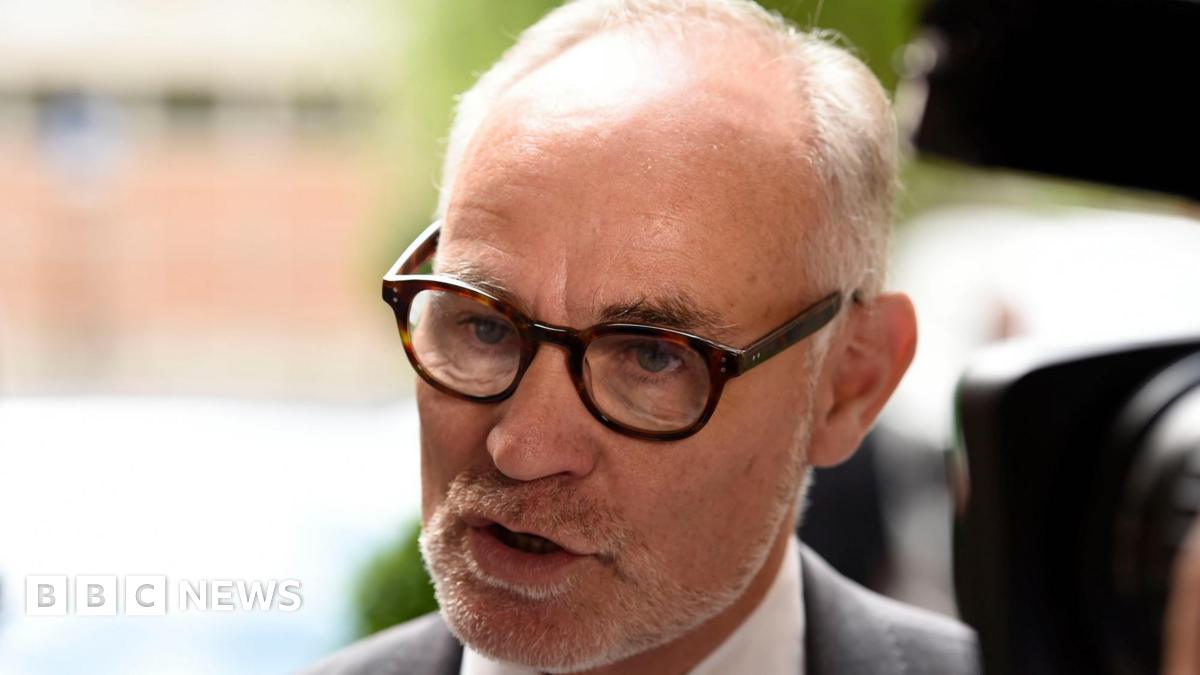
Ex-Conservative Lawmaker Crispin Blunt Charged With Drug Offences: What You Need to Know
In a development that has sent ripples through political circles and national headlines, Crispin Blunt, a prominent figure in British politics and a long-serving former Conservative Member of Parliament, has been charged with serious drug offences. The charges, formally announced by the Crown Prosecution Service (CPS), mark a significant moment, raising questions about accountability, public trust, and the legal repercussions faced by high-profile individuals. The news underscores a critical intersection where personal conduct meets public office, shining a spotlight on the legal system's impartiality. For those following British politics and legal developments, the phrase ex-mp blunt charged encapsulates a story of unexpected twists and turns.
The Charges Unveiled: A Legal Overview
The formal announcement regarding Crispin Blunt's charges came from the Crown Prosecution Service, confirming that the 65-year-old former lawmaker is facing a total of four drug-related offences. According to Malcolm McHaffie, Head of the CPS Special Crime Division, these charges include one count of possessing a controlled drug of Class A and three separate counts of possessing a controlled drug of Class B. These classifications are crucial under UK law, carrying distinct legal implications and potential penalties.
Class A drugs, considered the most harmful, include substances like cocaine, heroin, ecstasy, and LSD. Possession of Class A drugs can lead to a maximum sentence of seven years in prison, an unlimited fine, or both. Class B drugs, such as amphetamines, cannabis, and ketamine, carry a maximum penalty of five years in prison, an unlimited fine, or both for possession. The distinction in the charges highlights the varied nature of the alleged offences and the seriousness with which they are treated by the legal system. Blunt is scheduled to appear in court on March 25, a date that will undoubtedly draw significant media attention and public scrutiny.
The decision to prosecute follows a detailed review of evidence gathered by law enforcement. The CPS's role is to assess whether there is sufficient evidence to provide a realistic prospect of conviction and if a prosecution is in the public interest. The fact that charges have been brought suggests that these thresholds have been met, moving the case from investigation to formal legal proceedings. As the Former MP Crispin Blunt Charged with Class A & B Drugs article details, the specific classification of the drugs involved is a key element in understanding the potential legal ramifications.
The Backstory: Police Visit and Political Career
The genesis of these charges traces back to an event in October 2023, when police officers visited Crispin Blunt’s home. Law enforcement officials have stated that the visit was "in relation to a separate matter," though details of this initial inquiry have not been publicly disclosed. It was during this visit that the alleged drug offences came to light, leading to the subsequent investigation and the charges now brought forth by the CPS. This sequence of events highlights how seemingly unrelated inquiries can sometimes uncover entirely new legal issues.
Crispin Blunt's political career spans more than a quarter of a century, during which he served as a Conservative Member of Parliament. Representing the constituency of Reigate, he was a long-standing figure known for his independent streak and willingness to challenge party lines on various issues. His tenure included a period as a Minister of State for Prisons and Youth Justice under David Cameron's government, showcasing his experience within the justice system itself. He had already announced his decision to stand down as an MP at the upcoming General Election, expected in July 2024, signaling a planned departure from front-line politics. However, these recent developments cast a different shadow over the end of his public service. The news that ex-mp blunt charged serves as a stark reminder that even those at the highest echelons of public life are not immune to legal scrutiny.
The implications for his legacy and the Conservative Party are notable. While he was already stepping away from Parliament, the charges inevitably reflect on the party he represented for so long, prompting discussions about conduct expected from public servants. Such incidents often spark broader conversations about the standards of integrity and adherence to the law that citizens expect from their elected representatives.
Understanding Drug Offences and Their Societal Impact
The UK operates a three-tier system for classifying controlled drugs: Class A, Class B, and Class C, with Class A drugs carrying the most severe penalties. This classification is based on the perceived harm associated with the drugs. For instance:
- Class A Drugs: Include crack cocaine, cocaine, ecstasy (MDMA), heroin, LSD, magic mushrooms, and crystal meth (methamphetamine). Possession can lead to up to 7 years in prison, an unlimited fine, or both.
- Class B Drugs: Include amphetamines, barbiturates, cannabis, codeine, ketamine, synthetic cannabinoids, and synthetic cathinones (e.g., mephedrone). Possession can lead to up to 5 years in prison, an unlimited fine, or both.
- Class C Drugs: Include anabolic steroids, benzodiazepines (e.g., diazepam), gamma hydroxybutyrate (GHB), and gamma-butyrolactone (GBL). Possession can lead to up to 2 years in prison, an unlimited fine, or both.
The penalties underscore the seriousness with which the UK legal system treats drug offences, aiming to deter both supply and possession. When a public figure, particularly one who has served as a lawmaker and even a justice minister, faces such charges, the societal impact intensifies. It can erode public trust in institutions and individuals, fostering cynicism about the integrity of those in power. Moreover, it reiterates the principle that no one is above the law, regardless of their status or background.
For citizens, such cases can serve as a stark reminder of the legal consequences of drug possession. It also opens up conversations about drug policy, enforcement, and rehabilitation. The fact that Crispin Blunt: Former Tory MP Faces Drug Charges, Court Date Set further solidifies the public's understanding of the legal process in action. These events highlight the importance of transparency in the legal system and the media's role in informing the public about cases that involve figures of significant public interest.
Navigating the Legal Landscape: What Happens Next?
With the charges formally laid, the legal process for Crispin Blunt will now move into the court system. His first appearance on March 25 will likely be a preliminary hearing where he will formally be presented with the charges and may be asked to enter a plea. Should he plead not guilty, the case would then proceed to trial, where evidence would be presented by the prosecution and the defence, and a judge or jury would determine guilt or innocence. If he pleads guilty, or is found guilty after a trial, sentencing would follow, taking into account the specifics of the offences, any aggravating or mitigating factors, and legal precedents.
Key stages in the judicial process typically include:
- First Appearance: Formal reading of charges, plea entry (guilty/not guilty), bail considerations.
- Case Management Hearings: Setting timelines, discussing evidence, and preparing for trial.
- Trial: Presentation of evidence, witness testimony, legal arguments, and verdict.
- Sentencing: If found guilty, the court will determine the appropriate punishment.
It is crucial to remember the fundamental legal principle that Crispin Blunt, like any accused individual, is presumed innocent until proven guilty beyond reasonable doubt. The outcome of this case will be determined through due process, with all parties having the right to a fair hearing. The legal proceedings will test the evidence and arguments, ensuring justice is served according to UK law. The phrase ex-mp blunt charged signals the beginning, not the end, of this legal journey.
The charges against Crispin Blunt represent a significant legal and political event. As a former lawmaker, his case draws attention to the standards of conduct expected from those in public service and the impartial application of the law to all citizens. The upcoming court appearance on March 25 will mark the next chapter in this unfolding story, as the legal system proceeds to address the serious allegations of drug offences. The case will continue to be a subject of intense public and media interest as details emerge from the ongoing legal proceedings.